
AR Filters in Photography: Are They Enhancing or Distorting Images?
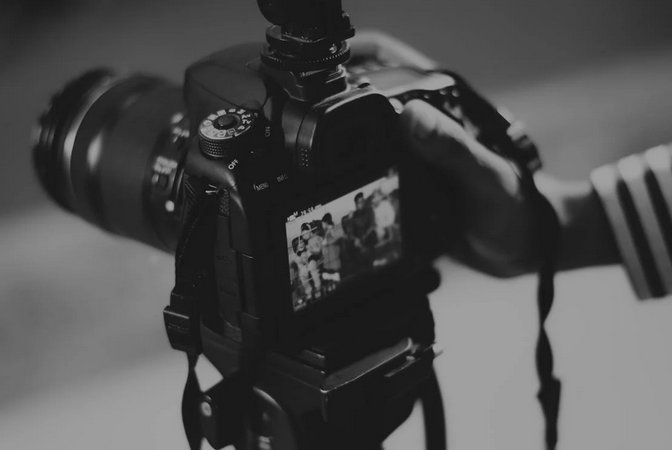
Photography has always balanced between art and truth. Cameras once promised an accurate reflection of reality. Today, however, images are no longer simple reproductions. With augmented reality (AR) filters, photos and videos can be altered instantly. These filters raise a debate: do they enrich creativity, or do they compromise authenticity? It then leads to another question: do image editing and clipping path services use filters already in their packages? It’s always a good idea to check their clipping path services here to find out the answer.
The Functional Role of AR Filters
AR filters use computer vision and face tracking to overlay digital effects on real-time images. They can smooth skin, adjust lighting, or even add virtual objects like sunglasses or animal ears. Some filters are subtle, while others are designed to be playful and exaggerated. In either case, the filter changes how viewers experience the image.
The Allure of Digital Enhancement
One reason AR filters are so popular is their ability to refine features quickly. People use them to brighten colors, add makeup effects, or create a polished look without effort. For many, this offers a confidence boost. It also helps content creators keep up with fast-moving digital trends. In a world where social media thrives on visuals, filters ensure that photos stand out.
The Risks of Visual Distortion
The problem begins when filters push too far. Some alter facial structures by narrowing noses, enlarging eyes, or changing skin tones. This can set unrealistic beauty standards and lead to …