Tech Missteps That Can Harm the Quality of Your Travel Photography
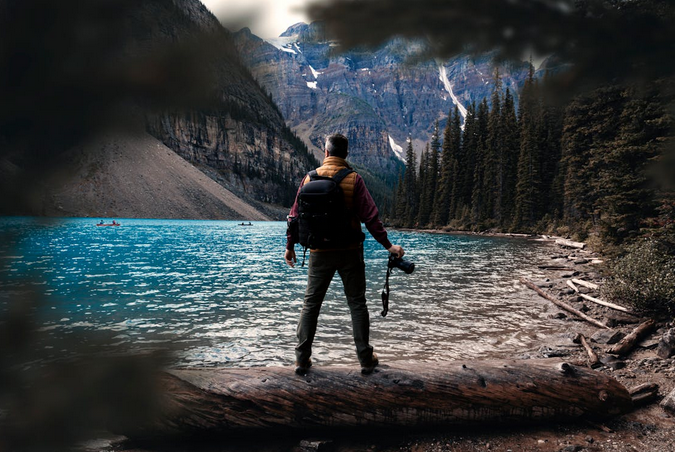
Travel photography offers the chance to capture unforgettable moments, breathtaking landscapes, and cultural experiences that tell a story. However, even seasoned photographers can undermine their efforts with simple technology missteps.
Whether documenting a remote beach, bustling market, or understanding what is a kava ceremony, relying on gadgets without proper technique can lead to blurry images, poor exposure, or lost files. From incorrect camera settings to overlooking environmental factors, small errors can drastically reduce the impact of your images. This guide explores the top technology missteps that often harm the quality of travel photography, providing practical insights to help you capture memories with clarity, accuracy, and vibrancy, even in challenging conditions.
Ignoring Proper Camera Settings
One of the most frequent errors in travel photography is neglecting to adjust camera settings for specific environments. Many travelers rely on automatic modes, assuming the camera will interpret every scene perfectly. However, lighting conditions, movement, and subject distance can vary widely. Using the wrong shutter speed, ISO, or aperture can result in images that are blurry, underexposed, or overly bright. For instance, a slow shutter speed without a tripod may produce motion blur, while a high ISO in bright sunlight introduces unnecessary noise. Understanding and adapting settings for each situation preserves sharpness, color accuracy, and overall visual quality.
Using Inadequate or Poor-Quality Accessories
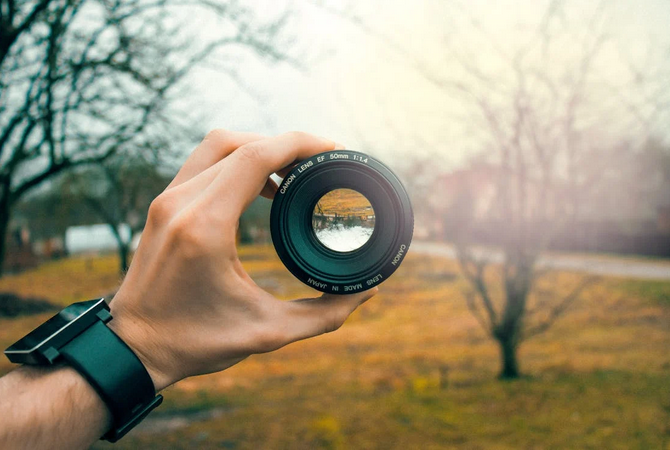
Low-quality or incompatible accessories can seriously affect image fidelity. Cheap lenses, filters, and memory cards often reduce clarity, introduce distortions, or fail at critical moments. For example, a scratched filter can …