
Tech Missteps That Can Harm the Quality of Your Travel Photography
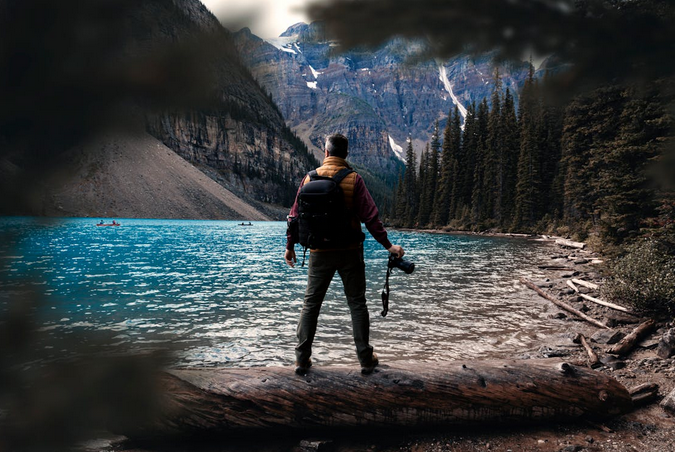
Travel photography offers the chance to capture unforgettable moments, breathtaking landscapes, and cultural experiences that tell a story. However, even seasoned photographers can undermine their efforts with simple technology missteps.
Whether documenting a remote beach, bustling market, or understanding what is a kava ceremony, relying on gadgets without proper technique can lead to blurry images, poor exposure, or lost files. From incorrect camera settings to overlooking environmental factors, small errors can drastically reduce the impact of your images. This guide explores the top technology missteps that often harm the quality of travel photography, providing practical insights to help you capture memories with clarity, accuracy, and vibrancy, even in challenging conditions.
Ignoring Proper Camera Settings
One of the most frequent errors in travel photography is neglecting to adjust camera settings for specific environments. Many travelers rely on automatic modes, assuming the camera will interpret every scene perfectly. However, lighting conditions, movement, and subject distance can vary widely. Using the wrong shutter speed, ISO, or aperture can result in images that are blurry, underexposed, or overly bright. For instance, a slow shutter speed without a tripod may produce motion blur, while a high ISO in bright sunlight introduces unnecessary noise. Understanding and adapting settings for each situation preserves sharpness, color accuracy, and overall visual quality.
Using Inadequate or Poor-Quality Accessories
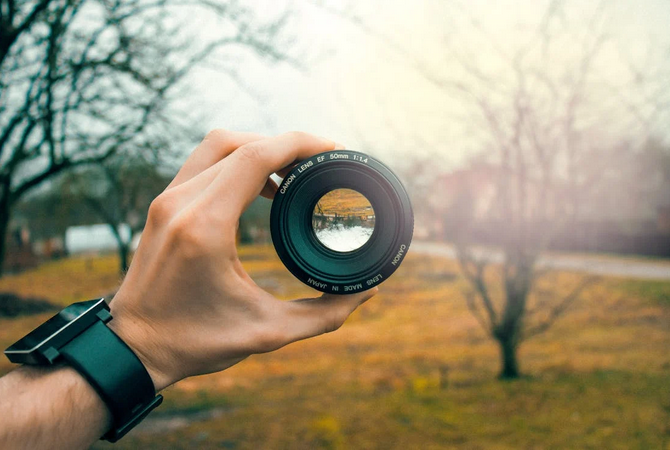
Low-quality or incompatible accessories can seriously affect image fidelity. Cheap lenses, filters, and memory cards often reduce clarity, introduce distortions, or fail at critical moments. For example, a scratched filter can create flares, while a slow memory card may prevent rapid image capture. Similarly, using generic batteries or chargers risks power failure during key shots. Selecting reliable, high-quality accessories and confirming compatibility with your camera prevents interruptions and maintains consistent results. Investing in superior gear saves time, reduces frustration, and protects your photography investment over long trips.
Neglecting Data Management
Proper data handling is often overlooked, yet it is critical to preserving travel memories. Photographers frequently capture hundreds or thousands of images in a short period, and failing to back up files can result in permanent loss. Relying solely on internal memory or a single storage card introduces unnecessary risk. Using multiple storage devices, cloud backups, and organizing files immediately helps prevent confusion and protects against accidental deletion or corruption. Consistent data management allows you to focus on capturing images rather than worrying about losing them, safeguarding months of work and effort.
Over-Reliance on Post-Processing

Editing software is a powerful tool, but depending on it to correct fundamental errors can diminish image quality. Over-adjusting exposure, saturation, or sharpness cannot fully compensate for poor composition or misfocused shots. Heavy reliance on post-processing may create artificial effects or artifacts that distract from the scene’s authenticity. Prioritizing accurate capture—through proper framing, focus, and exposure—reduces the need for excessive editing, producing images that remain natural and visually appealing. Photography is most effective when technology complements skill rather than replacing it.
Disregarding Environmental Impacts
Travel photography often occurs in diverse and challenging environments. Humidity, dust, sand, or extreme temperatures can affect camera performance, sensor reliability, and battery life. Ignoring these factors risks lens condensation, scratches, or equipment failure. Protective measures such as weatherproof covers, regular cleaning, and monitoring battery levels are essential. Understanding how environmental conditions influence technology allows photographers to maintain efficiency and image quality. Proper preparation helps capture every scene accurately, even in remote locations or unpredictable weather, ensuring your photos reflect the full beauty and atmosphere of your surroundings.
Avoiding common technology missteps is essential for preserving the quality of travel photography. Incorrect camera settings, substandard accessories, poor data management, over-reliance on editing software, and neglecting environmental conditions are frequent mistakes that compromise clarity, composition, and color fidelity. By addressing these issues proactively, photographers can capture images that authentically represent their experiences, minimize frustration, and maintain efficiency on the road. Thoughtful preparation, careful attention to equipment, and proper technique allow travelers to document their journeys with precision, vibrancy, and consistency, producing photographs that truly convey the essence of the destinations and experiences they encounter