
The Role of Technology in Car Tuning

Car tuning has always been about enhancing performance, efficiency, and style. While traditional tuning relied heavily on mechanical adjustments, modern technology has transformed the process. Today’s tuners use advanced software, sensors, and digital tools to fine-tune vehicles with a level of precision that was once impossible. The result is a balance of power, safety, and customization that appeals to both enthusiasts and everyday drivers.
From Mechanical to Digital Tuning
In the past, car tuning focused on manually adjusting carburetors, the exhausts, or suspension systems. While effective, this method required significant trial and error. Modern vehicles, however, are equipped with electronic control units (ECUs) that regulate engine performance. Thanks to specialized software, tuners can reprogram ECUs to optimize fuel efficiency, horsepower, or torque. This digital shift makes tuning faster, more precise, and adaptable to individual driving styles.
ECU Remapping and Performance Gains
ECU remapping is one of the most significant technological advancements in tuning. By altering the software that controls fuel injection, ignition timing, and turbocharging, tuners can unlock hidden potential in the engine. These changes are reversible, allowing drivers to switch back to factory settings if needed.
Customization Through Technology
Technology has made car tuning more personal. Drivers can now choose between performance modes, such as eco, sport, or comfort, often controlled by a smartphone app or dashboard interface. This flexibility allows a single vehicle to adapt to various driving needs without physical modifications.
The Role of Diagnostics and Sensors
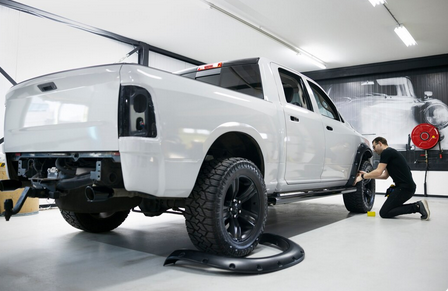
Modern tuning also benefits from advanced diagnostics. Vehicles feature sensors that monitor everything from air intake and exhaust gases to engine temperature and fuel consumption. Tuners use this real-time data to make informed adjustments, ensuring performance upgrades do not compromise reliability. Technology also allows problems to be detected early, reducing the risk of long-term damage.
Balancing Performance and Sustainability
As environmental concerns grow, tuning technology is adapting to meet stricter emissions standards. Advanced software can enhance fuel efficiency, reduce emissions, and extend the lifespan of engines. Hybrid and electric vehicles are also entering the tuning world, where software updates can improve battery management and acceleration. This demonstrates how technology is shaping tuning not only for performance but also for sustainability.
Technology has redefined car tuning, shifting it from manual adjustments to precise digital modifications. Through ECU remapping, advanced diagnostics, and customizable performance modes, vehicles can now deliver both power and efficiency. As cars continue to evolve, technology will remain at the center of making tuning smarter, safer, and more accessible to drivers everywhere.